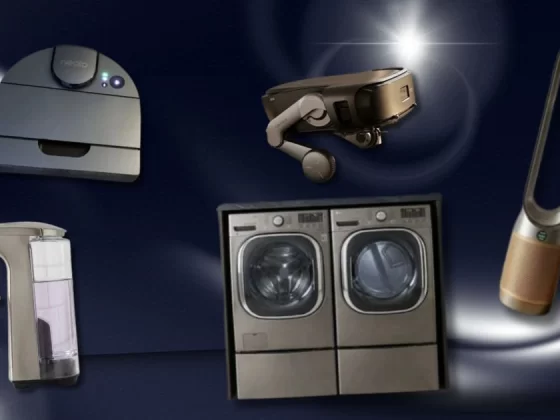
Smart home technology has become more accessible and affordable in recent years, and it continues to evolve quickly. Today’s budget‑friendly products can improve convenience, comfort, safety, and energy efficiency without requiring a big investment. Whether someone is just starting to build a connected home or looking to expand on existing gear, knowing what to look for and which devices deliver real value helps make smarter buying decisions.
This guide breaks down key categories of affordable smart home gadgets, practical features to consider, and recommended products from trusted brands. It covers everything from lighting and plugs to sensors and smart security, helping readers make choices that enhance everyday life without overspending.
Why Affordable Smart Gadgets Matter
Smart home devices do more than add cool tech; they make daily routines easier. Simple automation can turn lights on and off based on schedules, monitor a home’s temperature for savings, or send alerts when there’s unusual activity. Affordable options open these benefits to more people, especially first‑time users or households on a budget.
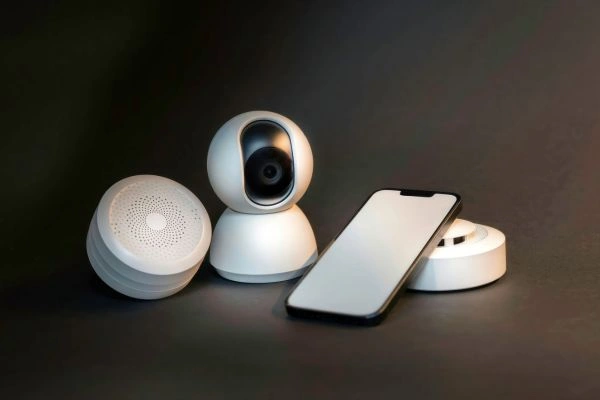
A thoughtful entry‑level setup can also build a foundation for future upgrades. Starting with basic components like smart plugs or voice assistants allows easy expansion to more advanced automation when needed. This staged approach keeps costs down while still improving how a home feels and functions.
What To Look For In Budget Smart Home Gadgets
Before jumping into specific products, it helps to understand the features and traits that matter most when buying affordable smart home devices.
Compatibility With Smart Platforms
One of the first things to check is whether a device works with common smart home ecosystems such as Amazon Alexa, Google Home, or Apple HomeKit. Many budget products now support at least one of these platforms, making it simple to control everything from a single app or voice command.
Devices that support open standards like Matter offer added flexibility because Matter aims to let products from different brands work together seamlessly. This reduces frustration and future‑proofs purchases as smart home systems evolve.
Ease Of Setup And Use
Affordable gadgets should be easy to install and use without professional help. Most smart plugs, bulbs, and sensors connect via Wi‑Fi or Bluetooth, while others use hubs or bridges. Choosing devices with clear instructions and user‑friendly apps ensures a smoother experience, especially for those new to smart tech.
Practical Features Over Gimmicks
When choosing budget devices, usefulness matters more than extra bells and whistles. Features like scheduling, remote control, and automation triggers are more worth paying attention to than flashy but rarely used extras. Devices that balance simplicity with real daily benefits tend to deliver the best value.
Security And Updates
Even inexpensive smart products should offer basic security protections. Look for options from brands that provide regular firmware updates and clear privacy policies. Good security reduces the risk of data breaches and ensures the device remains safe to use over time.
Best Affordable Smart Home Devices By Category
Here are some of the most useful and accessible smart gadgets worth considering, with examples that represent good performance and value.
1. Smart Lighting Ideas On A Budget
Smart lighting is often the easiest and most visible way to upgrade a home. Even affordable smart bulbs and lighting accessories can add convenience and style.
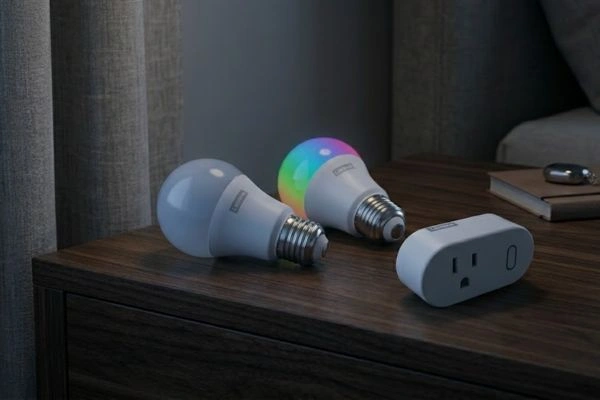
- Philips Hue White A19 LED Bulb lets users control brightness and color temperature via smartphone or voice command, and it works with major ecosystems. These bulbs support routines and schedules, which help with energy savings and comfort across the day.
Budget smart lights from brands like Wyze and Sengled offer good performance with basic automation features. They still deliver essential smart lighting benefits without the higher price tag of premium products.
2. Smart Plugs And Outlets
Smart plugs are one of the most affordable gateway devices for home automation. These tiny adapters let you turn ordinary lamps or appliances into smart devices with scheduling and remote control.
- TP‑Link Kasa Smart Plug Mini is a reliable, easy‑to‑install model that works with Alexa and Google Assistant. It supports scheduling and automation, helping save energy and control devices remotely.
- Wemo Mini Smart Plug offers voice control and Away Mode to turn lights on and off randomly when no one’s home. It’s a class‑leading budget choice with straightforward setup and broad compatibility.
3. Smart Speakers And Voice Assistants
Smart speakers serve as central control points for many smart home ecosystems. They respond to voice commands, play music, and help manage other devices.
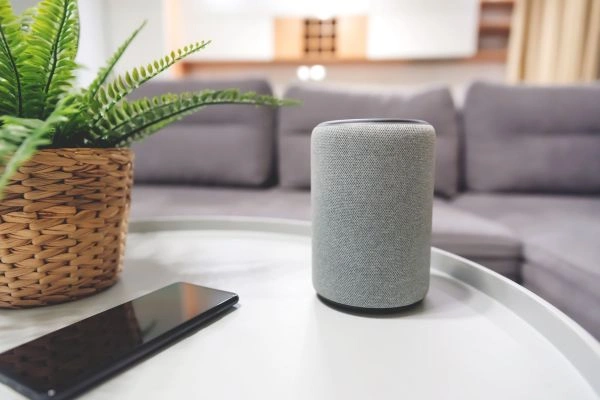
- Amazon Echo Dot and Google Nest Mini are two of the most popular budget voice assistants. They offer hands‑free control of smart lights, plugs, thermostats, and more while delivering everyday tasks like timers, reminders, and weather updates.
These devices often act as hubs for other smart gadgets, making them a good first purchase for anyone building a smart home on a budget.
4. Smart Security On A Budget
Security doesn’t have to be expensive. Affordable smart cameras and doorbells now offer high‑definition video, motion alerts, and easy installation.
- Wyze Cam v3 and Blink Mini are examples of affordable indoor cameras that deliver solid video quality and motion detection. Many budget options include cloud storage or local storage features, helping keep video recordings accessible.
Budget video doorbells let users see and talk to visitors from a smartphone. Even basic models provide two‑way audio and motion alerts, bringing peace of mind at a fraction of the cost of premium systems.
5. Smart Sensors For Automation
Smart sensors add automation and awareness to a home without a big investment. They can detect motion, temperature, humidity, leaks, and more, triggering other devices when conditions change.
- IKEA TIMMERFLOTTE temperature and humidity sensor is an extremely budget‑friendly option that works with smart home platforms and helps automate routines based on environmental data.
Other sensors like motion detectors, door/window contacts, and leak sensors can integrate with routines to activate lights, alarms, or notifications when activity is detected.
6. Smart Thermostats And Energy Management
Smart thermostats help manage heating and cooling more efficiently, saving both energy and money. While traditional models can be pricey, budget options now offer automatic scheduling and remote control.
- Models like the Wyze Thermostat deliver core thermostat features and energy reports without premium costs. They let users adjust temperatures from anywhere and create schedules based on routines.
7. Practical Robot Cleaners On A Budget
- Robot vacuum cleaners have come down in price while still offering automation and app control. Budget options like the Tapo RV30 Max Plus and EZVIZ RE5 Plus provide solid suction, mapping, and app features that make everyday cleaning easier.
These devices handle everyday dirt on hard floors and low–medium pile carpets, freeing up time for other activities without breaking the bank.
Tips For Buying Affordable Smart Home Gadgets
Start With A Clear Goal
Before buying, consider what problems the smart gadget should solve. Is the goal to save energy, improve security, or simply add convenience? Understanding priorities helps narrow choices.
Think In Terms Of Ecosystems
Sticking to one or two ecosystems (for example, Alexa and Google Assistant) keeps integration simple and reduces compatibility headaches. Some products work best within the same ecosystem, so checking supported platforms before buying is important.
Look For Bundles And Deals
Starter kits that bundle multiple devices, such as a smart plug and a bulb or a hub with sensors, often provide better value than purchasing each device separately. Major shopping events often include deep discounts on gadgets from top brands.
Balance Price With Longevity
While budget devices offer affordability, it’s worth considering durability and support. Devices from well‑known brands typically receive regular firmware updates and better customer support, which can extend their useful life.
Check Reviews And Community Feedback
Real user reviews and community discussions can reveal quirks and limitations that manufacturer specs don’t always show. Trusted review sites and user forums often highlight practical experiences, helping buyers make wiser choices.
Common Mistakes To Avoid
Buying Based Only On Price
Choosing the cheapest option isn’t always best. Devices that disconnect often, lack support, or do not integrate well can cause frustration and may end up costing more in the long run.
Ignoring Security And Privacy
Affordable devices sometimes skimp on security features. Checking for strong encryption, regular updates, and transparent privacy policies protects data and reduces cyber risks.
Overlooking Future Compatibility
Buying devices that don’t support open standards or ecosystem extensions can limit smart home growth. Choosing gadgets with broad compatibility ensures smoother upgrades and expansion.
Affordable Gadgets That Make Your Home Smarter
Affordable smart home gadgets make technology accessible and useful for everyday life. With thoughtful choices and a focus on essential features, it is possible to build a connected home that enhances comfort, safety, and convenience without spending a fortune. Starting with basics like smart lighting, plugs, voice assistants, and sensors lays a strong foundation. From there, expanding into security cameras, thermostats, and automation routines adds value and efficiency.
Whether starting from scratch or upgrading existing systems, understanding what to look for and choosing well‑reviewed products from trusted brands always pays off. With the right setup, even a modest smart home can feel impressive and genuinely helpful in day‑to‑day life.