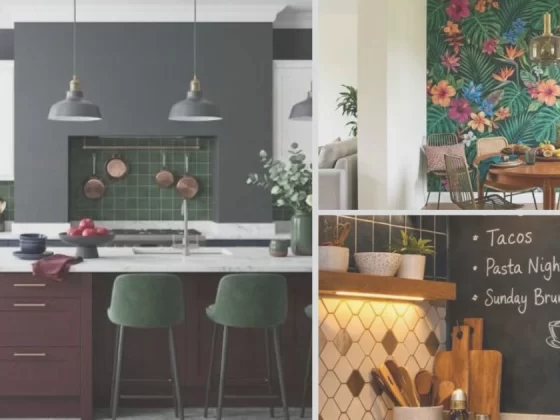
Choosing the right living room furniture can feel like a big decision. The pieces selected shape how a space looks, how it feels, and how well it works for daily life. With so many trends, styles, and pieces out there, finding furniture that fits both the room and your lifestyle can be confusing. This guide breaks down how to choose furniture that fits your space beautifully, feels comfortable, and works in real life.
From measuring the room to picking materials that last and choosing styles that blend with everyday life, every detail matters. Whether building from scratch or updating one piece, this guide walks through each step with practical advice and real product examples from trusted brands.
Measure Your Space First
Before looking at sofas and chairs, the most important step is measuring the room. This sounds basic, but many people skip it and end up with furniture that is too big or too small.
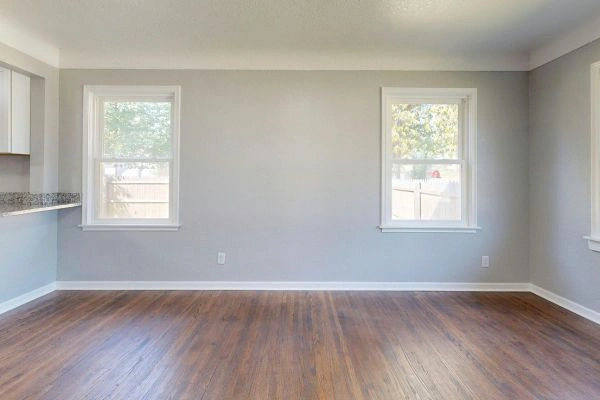
Steps To Measure Accurately:
- Measure the length and width of the room.
- Note the location of doors, windows, and vents.
- Consider existing elements like built‑in shelves, fireplaces, or radiators.
- Use painter’s tape to mark out furniture sizes on the floor before buying.
Taking precise measurements ensures the furniture fits well and leaves enough walking space. A sofa that looks small in a store might feel massive in a living room without enough breathing room.
Understand Your Layout Options
Living rooms vary in shape and size. Once measurements are ready, think about possible layouts. The layout determines how the space is used and how the furniture flows.
Common Living Room Layouts
- Open Concept Layout: Works well with sectional sofas or floating furniture arrangements.
- Square Layout: Symmetrical seating works best, like a pair of sofas facing each other with a central coffee table.
- Long And Narrow Layout: Place furniture along the longer walls with a slim sofa and chairs opposite it.
- L‑Shaped Space: A sectional can anchor one side of the room, while a console or armchair fills the other.
Tip: Always leave at least 30 inches of walkable space between pieces so people can move easily without bumping into furniture.
Choose A Style That Fits Your Vision
Knowing what type of look you want helps narrow choices. Living room styles range from modern and minimal to traditional and cozy. Here are some popular styles with quick pointers:
Modern And Minimal
This look focuses on clean lines, simple shapes, and limited decoration. Furniture from brands like Article and Blu Dot works well here. These pieces often feature slim legs, monochrome colors, and open space around them.
What To Look For:
- Streamlined sofas
- Neutral tones with bold accent pieces
- Minimal ornamentation
Classic And Traditional
If comfort and timeless appeal are priorities, a traditional style might be right. Think rich wood finishes, tufted upholstery, and more ornate detail. Brands such as Ethan Allen and Pottery Barn provide timeless pieces that grow more elegant as your home.
What To Look For:
- Deep, cushioned sofas
- Dark wood accents
- Elegant coffee and side tables
Cozy And Transitional
Transitional style blends modern simplicity with warm traditional touches. This look is flexible and suits many tastes. Products from West Elm and Joybird often fit this style, with warm fabrics, layered textures, and balanced proportions.
What To Look For:
- Soft fabrics like boucle or velvet
- Mixed materials like wood and metal
- Balanced but inviting furniture pieces
Pick Furniture Based On Function
Furniture should not only look good but also support daily life. Think about how the room is used:
Frequent Entertaining
If the living room is often full of guests, prioritize seating options like large sectionals, multiple chairs, and benches. Look for brands that offer modular pieces, such as Burrow, which lets homeowners rearrange seating easily.
Features To Consider:
- Sectional sofas with chaise options
- Extra seating, like ottomans and poufs
- Coffee tables that double as trays or storage
Family And Kids
Durability and safety matter most here. Choose fabrics that are easy to clean and resistant to stains, such as performance fabrics or leather. Joybird’s Performance Collection and Pottery Barn’s Performance Fabrics are known for durability and stain resistance.
Features To Consider:
- Stain‑resistant upholstery
- Rounded edges for safety
- Durable wood or metal frames
Working From Home
If the living room doubles as a remote workspace, choose pieces that offer flexibility and comfort. A compact sofa with a nearby side table can function as an instant desk, while a comfortable armchair provides alternate posture support.
Features To Consider:
- Side tables or nesting tables
- Chairs with lumbar support
- Modular furniture that adapts to multiple roles
Prioritize Comfort
Style matters, but comfort should never be sacrificed. A sofa or chair that looks great but feels stiff will sit unused. Try out furniture in person when possible, or rely on reviews that mention cushion quality and feel.

Comfort Factors To Evaluate:
- Seat depth: Too deep makes it hard to sit upright; too shallow feels cramped.
- Cushion fill: Foam offers structure, while feather or down adds softness. Many people prefer a combination of both.
- Armrest height: Low arms feel casual; higher arms give sturdy support.
Brands like La-Z-Boy are known for plush comfort, while CB2 and West Elm balance comfort with contemporary design.
Choose Materials That Endure
Living rooms get a lot of use, so materials matter. Fabrics, wood finishes, and metal accents should all be chosen with daily wear in mind.
Upholstery Fabrics
- Performance fabrics: These are designed to resist stains and fading from sunlight, making them ideal for busy homes.
- Leather: A classic choice that ages beautifully, developing a unique patina over time. Brands like Restoration Hardware and Natuzzi Editions use high‑quality leather.
- Velvet: Luxurious but requires more care. Choose performance velvet if spills are a concern.
Hard Materials
- Solid wood: Timber like oak, walnut, or maple offers durability and character.
- Metal and glass: Good for modern styles, but choose tempered glass tops to avoid scratches.
- Rattan and wicker: Great for casual or coastal looks, but pair these with washable cushions.
Balance Scale And Proportion
Proportion affects how a room feels. Furniture that is too large can overwhelm a small room, while pieces that are too small in a large space can feel lost.
Tips For Balancing Scale:
- A large sectional works better in rooms at least 14 feet wide.
- Pair a low sofa with taller shelving to balance height.
- Keep coffee tables roughly two-thirds the length of a sofa for visual harmony.
Sketching the room on grid paper or using interior planning apps can help visualize how pieces will fit together.
Mix Textures For Depth
Adding different textures gives a room richness and dimension. Instead of matching every piece perfectly, mix materials for a layered look that feels intentional.
Texture Ideas:
- Velvet pillows on a linen sofa
- Wool or jute rugs under a sleek coffee table
- Ceramic or stone décor pieces on wood shelves
Layered textures make a space feel cozy and visually engaging without being cluttered.
Add Layers With Rugs And Textiles
Area rugs do more than define seating areas. They can soften hard floors, layer warmth into the design, and help bind a room’s color scheme together.
Rug Tips:
- Select a rug large enough to accommodate at least the front legs of your sofa and chairs.
- Go for natural fibers like wool or cotton for durability.
- If your budget permits, layer a larger neutral rug with a smaller patterned rug on top to add visual interest.
Brands like Ruggable offer washable rugs that are both practical and stylish for active households.
Lighting Makes A Big Difference
Lighting changes a room from ordinary to inviting. Good lighting should have a mix of sources: overhead, task, and accent lighting.
Types Of Lighting
- Overhead lighting: A chandelier or flush mount light brings general illumination.
- Floor and table lamps: These add warm pools of light for reading and relaxation.
- Accent lighting: LED strips or small spotlights highlight artwork or shelves.
Example Pieces:
- Artemide Tolomeo Floor Lamp for contemporary style
- Pendant lights with brushed brass for warmth and elegance
Add Personality With Accessories
Accessories add finishing touches that make a living room feel lived in and personal. Choose pieces that tell a story about tastes and experiences.
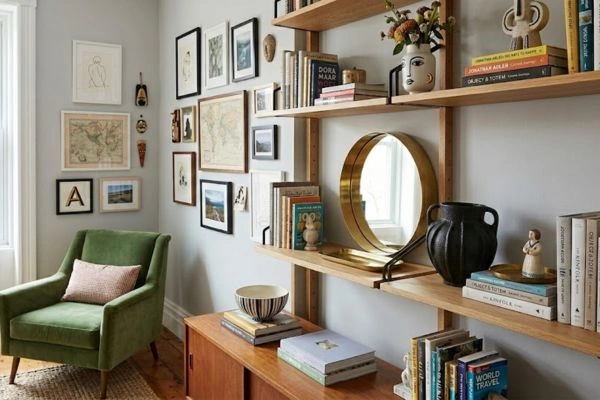
Accessorizing Tips:
- Use artwork that reflects personal interests or travel memories.
- Display books and décor items on open shelving for a curated look.
- Place mirrors to reflect light and enlarge a space visually.
Embrace Sustainable And Ethical Choices
Sustainable furniture is increasingly popular for its environmental benefits and long‑term value. Look for items made with responsibly sourced wood, non‑toxic finishes, and recyclable fabrics.
What To Look For:
- Certifications like FSC (Forest Stewardship Council) for wood
- Low‑VOC (volatile organic compound) paints and finishes
- Recycled metals or sustainable natural fibers
Brands like Herman Miller and Thuma lead in sustainability with pieces designed to last decades.
Blend Old And New
Contemporary living rooms embrace a mix of styles, combining classic furniture with modern details. Pair a mid‑century modern coffee table with a sleek new sectional. Use antique side tables with modern lighting.
This layered approach keeps spaces from feeling flat and makes them feel personal and unique.
Mastering Your Space With Smart Living Room Furniture
Choosing the right living room furniture takes time, but the payoff is a space that looks great and supports the way it is used every day. From careful measuring and layout planning to selecting materials that last and adding personal touches, each step matters.
Whether designing from scratch or refreshing individual pieces, thoughtful decisions will create a living room that feels comfortable, stylish, and truly yours. With the right approach, furniture becomes more than just décor. It becomes the heart of your home.