A rice cooker might seem like a simple kitchen tool, but the right one can change the way meals are prepared and enjoyed. Recent reviews and home appliance news show that modern rice cookers do far more than cook rice. They steam vegetables, slow cook stews, make porridge, bake cakes, and even function as pressure cookers. Choosing the perfect rice cooker for your needs can make daily cooking easier, tastier, and more efficient.
This guide explains everything a buyer should know, including key features to look for, trusted models from top brands, comparisons of different types, and answers to the most common questions. Whether someone is replacing an old unit or buying their first rice cooker, this article will help find the right fit for any kitchen.
Why Choosing the Right Rice Cooker Matters
A rice cooker is often one of the most used appliances in the kitchen. Easy access to perfectly cooked grains can improve everyday meals and free up time for other tasks. The wrong model, on the other hand, can undercook or overcook rice, take too long to finish meals, or lack useful features. Reviews from trusted sources and user feedback highlight that better models deliver consistent results, longer lifespans, and more versatility.
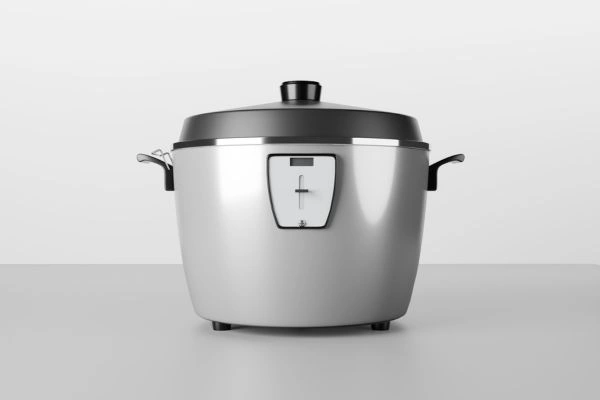
In addition to plain white rice, the best rice cookers excel at cooking brown rice, mixed grains, sushi rice, and specialty grains like wild rice or quinoa. Many also feature settings for porridge, slow cooking, and steaming. This versatility turns a rice cooker into a multi‑purpose kitchen tool that adds value beyond its size and cost.
Key Features to Consider
When choosing a rice cooker, several important features should guide the decision.
Capacity And Size
Rice cookers are available in various sizes, typically measured by the number of cups of uncooked rice they hold. Common capacities include:
- 3 Cups: Good for small households or singles.
- 5 Cups: Popular size for families of 3‑4 people.
- 8 Cups and Above: Ideal for large families or frequent entertaining.
A 5‑cup rice cooker is often the best balance of capacity and kitchen space for most homes. Larger models are great for meal prepping or feeding guests, but they take up more counter space.
Cooking Functions
Basic rice cookers simply switch off or go to warm mode when cooking is done. More advanced models offer multi‑stage cooking programs, such as:
- Brown Rice Mode: Adjusts temperature and time for firmer grains.
- Quick Cook: Shortens cooking time for busy days.
- Porridge/Slow Cook: Handles soups, stews, and creamy grains.
- Steam Function: Adds a tray to steam vegetables or seafood while rice cooks.
Multi‑function cookers are more expensive but much more useful over time.
Inner Pot Quality
The inner pot is where rice cooks, so its material and coating matter. Common types include:
- Nonstick Coating: Easy to clean but may wear over time.
- Stainless Steel: Durable and safe, though rice may stick more.
- Ceramic Coating: Healthy and scratch‑resistant, but often pricier.
A thick inner pot also helps distribute heat evenly, improving cooking results.
Control Panel And Ease Of Use
Simple button panels with clear labels are best for everyday use. Some cookers offer digital displays, touch controls, and preset menus. Look for models with intuitive controls and clear instructions so the device can be used without confusion.
Delay Timer And Keep Warm
The delay timer lets users set rice to cook later, making it easy to wake up or return to hot, fresh food. The keep warm feature keeps rice at a safe temperature for several hours after cooking is finished.
Energy Efficiency And Safety
Look for models with good insulation and automatic shut‑off. Some rice cookers also include cool‑touch exteriors, locking lids, and safety locks to prevent accidental burns.
Top Rice Cooker Brands Worth Considering
Several established brands consistently get high marks from reviewers and users alike. These brands offer dependable performance, quality construction, and reliable customer support.
Zojirushi
A long‑time favorite for many home cooks, Zojirushi makes premium rice cookers known for consistent results and long life. Their models often include advanced warming technology, multiple cooking settings, and high‑quality inner pots. Popular models include the Zojirushi Neuro Fuzzy and Zojirushi Induction Heating series.
Tiger
Tiger rice cookers are known for simplicity and reliability. Models like the Tiger JBV series offer many cooking functions while remaining easy to use. Tiger products often get praise for their durable build and value.
Panasonic
Panasonic offers solid mid‑range options that balance features with affordability. Their rice cookers are straightforward, reliable, and excellent for standard cooking needs.
Cuckoo
Cuckoo rice cookers, a well‑known brand from Korea, are especially good at cooking sticky rice and grains that require precise temperature control. Many models also include pressure cooking options for quicker results and softer textures.
Instant Pot
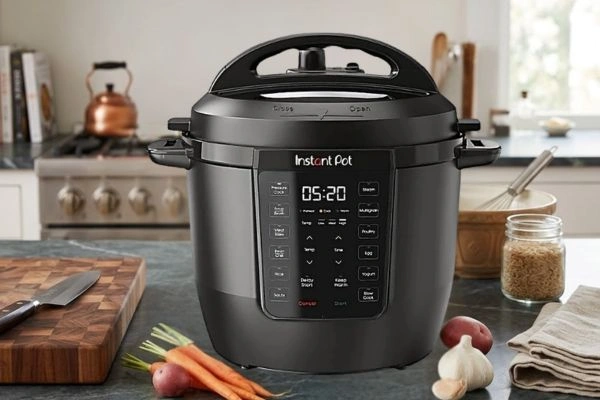
While Instant Pot is known for electric pressure cookers, many models include rice settings that perform well and add multi‑purpose value to the kitchen. The Instant Pot Duo series remains a popular choice for those who want one device for many functions.
Comparison Of Popular Rice Cooker Types
Understanding the differences between rice cooker technologies helps narrow down choices.
| Type | How It Works | Best For | Typical Price |
|---|---|---|---|
| Basic Cooker | Simple heat and off/warm control | Small households, budget | $20‑$50 |
| Fuzzy Logic | Adjusts heat automatically | Daily use, mixed grains | $80‑$250 |
| Induction Heating | Electromagnetic heat for even cooking | Large families, expert results | $200‑$600 |
| Pressure Cooker | Seals pressure for faster cooking | Quick meals, soft textures | $100‑$300 |
| Multi‑Cooker | Many functions, including rice | Versatile kitchens | $100‑$350 |
Basic Rice Cookers
Basic models are most affordable and easy to use. They are a good entry point for people who just want cooked rice without extra features. They often lack advanced settings and may not cook brown or specialty grains as well.
Fuzzy Logic Models
Fuzzy logic rice cookers use smart temperature control to adjust cooking time for perfect results. These models are ideal for people who cook various types of rice and grains regularly.
Induction Heating Cookers
These cookers use electromagnetic technology to heat the inner pot evenly. This results in well‑cooked rice with consistent texture. They also tend to offer multiple menu options and are often the choice of serious home cooks.
Pressure Rice Cookers
Pressure models cook food faster and can produce softer, more tender rice. They are excellent for mixed grains or meals where texture matters. They also double as pressure cookers for other recipes.
Multi‑Cooker Units
Multi‑cookers combine several cooking functions in one device. They work well in small kitchens and for anyone who wants a single machine to steam, slow cook, and cook rice.
Step-by-Step Buying Guide
This guide helps clarify how to choose the best rice cooker based on family size, cooking habits, and budget.
1. Decide How Much Rice You Cook
Think about how much rice is usually prepared. A small family may do well with a 3‑cup unit, while larger families may need 8 cups or more.
2. Think About How Rice Is Used
If rice is just a side dish, a basic model may be enough. If rice is part of daily meals, consider models with multiple functions and superior cooking control.
3. Prioritize Features You Use Most
Some features, like pressure cooking or steaming trays, are nice to have, but may not be worth the extra cost if rarely used. A keep‑warm function is handy for frequent meals.
4. Consider Counter Space
Rice cookers vary in size, so choose one that fits easily where it will be used most often. Larger induction and multi‑cookers may take up more counter space.
5. Read Reviews And Ratings
Check trusted review sites and user feedback for long‑term performance and reliability. Some models may look good on paper but falter in daily use.
Common Mistakes To Avoid
Even with a good rice cooker, certain habits can lead to poor results.
Filling With Too Much Water
Adding too much water can make rice mushy. Follow the maker’s water chart for best results.
Not Rinsing Rice
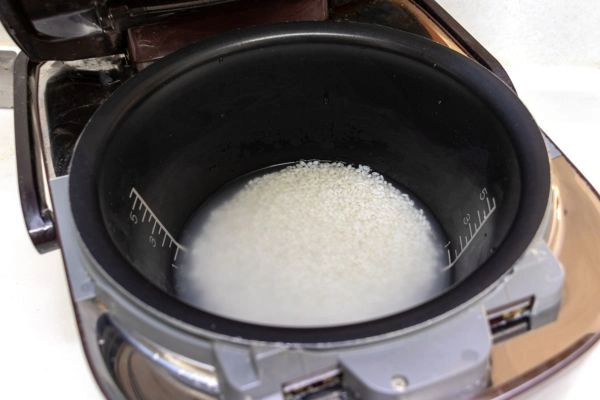
Rinsing rice before cooking can remove excess starch and help grains cook more evenly.
Ignoring Maintenance
Regularly clean the inner pot, lid, and steam vents to avoid buildup and odors.
Frequently Asked Questions
Rice cookers list capacity in cups of uncooked rice. For two people, 3‑5 cups is often sufficient. For families of four or more, 5‑8 cups or larger is better.
Can A Rice Cooker Cook Other Foods?
Yes. Many modern rice cookers also steam vegetables, make soups, cakes, and even slow-cook stews.
Is A More Expensive Rice Cooker Worth It?
It depends. Advanced models like induction and fuzzy logic cookers provide more consistent results and versatility. Budget models work well for simple needs.
How Do I Clean My Rice Cooker the Right Way?
Unplug the machine first. Clean the inner pot and any removable parts using warm, soapy water. Wipe the exterior and dry thoroughly before use.
Can Rice Cookers Save Energy?
Yes. Rice cookers use less energy than stovetop cooking because they regulate heat automatically and finish with minimal wasted energy.
The Ultimate Guide to Picking Your Perfect Rice Cooker
Choosing the best rice cooker for a kitchen means weighing daily habits, family size, and how much variety is desired in meals. From simple models for occasional use to advanced cookers that become the centerpiece of the kitchen, there are options for every lifestyle and budget.
Well‑chosen rice cookers can handle rice perfectly, free up time for other tasks, and even take on additional cooking roles like steaming, slow cooking, and more. With thoughtful selection, a rice cooker becomes more than an appliance. It becomes a reliable kitchen partner that enhances daily meals and simplifies home cooking.