Gardening has never been more popular or more rewarding, especially for people just starting. With simple projects and smart planning, any outdoor space can become a beautiful, productive, and enjoyable retreat. From easy cosmetic touches to functional upgrades that help plants thrive, these beginner‑friendly ideas are backed by the latest reviews, trends, and expert advice. Whether the space is a compact balcony, a modest backyard, or even a patio corner, these improvements are designed to be affordable, fun, and satisfying.
Gardening does not have to be intimidating. With the right guidance, small steps today can lead to lush spaces tomorrow. This article shows how beginners can add charm, structure, and purpose to their garden with easy and simple DIY garden ideas that require minimal tools and time.
Why Garden Improvements Matter
A garden is more than a patch of soil and plants. It is a living space that nurtures well‑being, improves curb appeal, and can even boost food production at home. Thoughtful garden improvements deliver visible results with minimal effort. They create inviting corners to relax, help plants grow better, and elevate everyday outdoor life.
Improving a garden makes it more functional, more attractive, and more in tune with your lifestyle. Whether the goal is healthier vegetables, vibrant flowers, better seating areas, or a calming outdoor nook, even small enhancements make a big difference.
Gardening in the current era blends tradition with innovation. Simple DIY projects can have a big visual impact, while new trends like smart watering, native plant gardens, and spaces that attract beneficial insects help gardens thrive in a changing climate. Whether the goal is more color, better productivity, or a cozy outdoor nook, there are plenty of accessible ideas for beginners to explore.
Start With Smart Planning
Before picking up tools or plants, take a moment to plan. A small investment in planning pays off in a garden that looks cohesive and functions well.
Map Your Sunlight
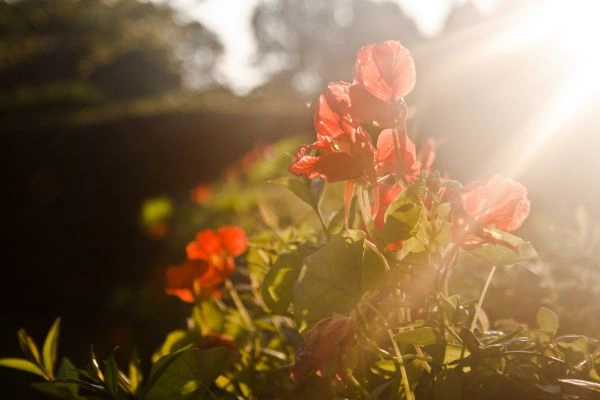
Spend a day watching how sunlight moves across your garden space. Most vegetables and flowering plants need at least six hours of direct sun per day. Some plants tolerate shade better than others, but understanding where the sun hits your garden helps you place plants where they will flourish and avoid common problems caused by too much shade or too much sun. Using inexpensive shading cloth or simple garden screens also lets you create partial shade areas for plants that prefer less intense light.
Take Soil Notes
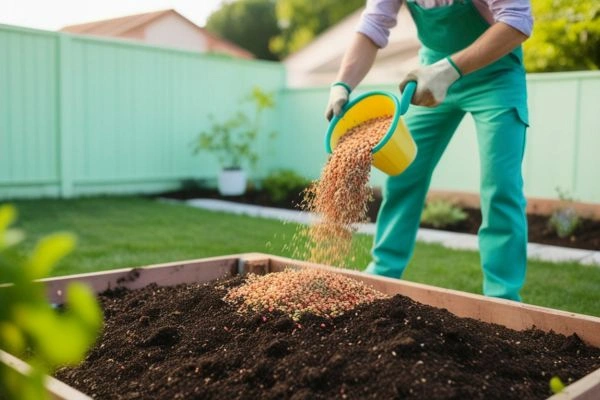
Healthy, rich soil is the secret to a flourishing garden. Testing your soil’s pH and texture gives you valuable insights. You can buy an affordable soil test kit or use soil testing services at local garden centers. Based on the results, amend the soil with compost or organic matter to improve texture, drainage, and nutrient content. Composting kitchen scraps and lawn clippings is a great way to enrich soil naturally, reduce waste, and support healthy plant growth without relying on chemical fertilizers.
Start Small and Build Confidence
Beginners are more likely to succeed by picking a few easy‑to‑grow plants. Options like basil, mint, marigolds, salad greens, and cherry tomatoes are forgiving and easy to care for. These plants tolerate common beginner mistakes, which helps build confidence early in the gardening journey. Starting small lets you learn by doing without feeling overwhelmed. As the garden grows, you can expand plant varieties and experiment with more complex layouts and designs.
Simple DIY Garden Ideas That Make A Big Impact
Create A Vertical Garden
Vertical gardens are perfect for small spaces or raised plant displays. A simple flower wall can be built from repurposed wooden pallets, hanging pockets, or even old shoe organizers filled with soil and plants. Herbs, succulents, and trailing flowers thrive in this setup, and it adds visual interest while saving valuable ground space. Vertical gardens are also great for growing herbs close to the kitchen door, or for creating privacy screens on balconies or patios.
Upcycle Household Items
DIY gardens thrive on creativity. Upcycled planters give personality to your space while reducing waste. Old tires, teacups, ladders, or bottles can become planters with a fresh coat of eco‑friendly paint and a bit of soil. For example, stacked painted tires make funky raised planters, while vintage teacups make charming containers for succulents or herbs. Use rust‑proof hooks to hang items and create layered displays that feel intentional and lively.
Hang Mason Jar Lanterns
Adding lighting instantly upgrades a garden’s atmosphere. Mason jars with solar fairy lights inside are an inexpensive way to make an outdoor space cozy after dusk. Hang them from tree branches, pergolas, or a simple DIY frame. Solar lanterns charge during the day and glow softly at night without electricity, so they are perfect for creating an evening ambience for gatherings or quiet nights outdoors.
Try Pebble Mosaic Pathways
Stepping stones decorated with colorful pebble mosaics offer both style and functionality. These DIY paths can define walkways or borders in flower beds while adding personal artistic touches. Creating mosaic pathways is a fun way to involve kids or friends and gives the garden an artistic flair. Pebbles can be found at craft stores, garden centers, or even collected from nature, making this a budget‑friendly option.
Build A DIY Herb Marker Garden
Clear organization helps any garden feel cleaner and more purposeful. Use painted rocks, wooden spoons, or popsicle sticks as herb markers. Not only does this make it easier to identify plants, but it also adds a bit of personality and charm to the plot. Painting plant names and simple designs on stones is a relaxing weekend project and makes planting easier when herbs start to sprout.
Add Garden Mirrors
Mirrors placed against a fence or wall create the illusion of depth and make a small garden appear larger. Pick a stylish frame to enhance your garden’s overall look. Mirror art also reflects light into shaded corners, brightening up the space and encouraging plant growth. This trick works especially well in narrow alley gardens or patio corners.
Introduce Solar Bottle Lighting
A trending sustainable idea is to repurpose clear plastic bottles as solar lights. Simply insert solar string lights inside bottles and bury the base along garden borders to create a soft nighttime glow. This eco‑friendly lighting enhances paths, flower beds, and seating areas after dark. Solar bottle lighting uses materials you might already have, and the look fits rustic, cottage, or modern garden styles.
Easy Functional Upgrades For Garden Success
Install Raised Beds
Raised beds improve soil quality and drainage, making gardening easier for beginners. They reduce the need for heavy digging and allow for tighter control over soil conditions. Frames can be built from untreated lumber, cedar, or recycled materials. Raised beds also help keep weeds in check and make chores like watering and harvesting more comfortable by reducing bending.
Use Quality Planters And Grow Bags
Container gardening is a flexible option for patios, balconies, decks, or yards with poor soil. Breathable fabric grow bags allow roots to get more air, which encourages healthy development. Stylish ceramic pots also bring visual interest and organization to plant displays. Containers can be moved seasonally to follow sun patterns or protect plants from frost.
Set Up Smart Irrigation
Smart irrigation systems with soil moisture sensors or automated timers help beginner gardeners water efficiently. These systems conserve water and make plant care easier, especially during hot weather or busy schedules. Some smart systems even connect to phones, helping you track garden conditions with ease. Simple drip irrigation kits can make big improvements in plant health with little setup.
Apply Mulch And Edging
Mulch helps retain moisture, build healthier soil, and suppress weeds. It also makes beds look tidy and well cared for. Organic mulch options include wood chips, shredded bark, and straw. Adding mulch in early spring protects the soil through changing temperatures. Landscape edging neatly defines borders between garden beds, paths, and lawn space. Stones, recycled bricks, and simple timber boards make inexpensive yet effective edging materials.
Build A Compost Station
Composting kitchen and garden waste transforms scraps into nutrient‑rich soil amendment. A simple bin, worm composting setup, or tumbling composter transforms waste into valuable material for your garden. Compost improves soil structure, water retention, and plant health without expensive fertilizers.
Trend‑Inspired Garden Ideas
Pollinator Paradise
Create a section of your garden dedicated to pollinators with nectar‑rich blooms like coneflowers, bee balm, cosmos, and milkweed. Pollinators like bees and butterflies support flower and vegetable production while adding life and movement to your space. Strategically placed pollinator plants near vegetable beds help boost yields and encourage biodiversity.
Botanical Bento Garden
Inspired by the idea of a bento box, this trend encourages organized garden zones. Think small thematic areas like an herb section, a flower corner, a seating nook, and a sensory garden with fragrant plants. Segmented gardens feel purposeful and make maintenance easier. Adding small signs or themed plant groupings helps reinforce this structured yet playful approach.
Native And Edible Plants
Blending edible ornamentals like rainbow chard and herbs with flowering plants offers both beauty and utility. These multi‑purpose plants provide food, color, and texture, making the garden both functional and pleasing. Native plants adapt more easily to local conditions and often need less water and care, which is ideal for beginners.
Gravel And Water‑Wise Gardening
Gravel gardens use drought‑tolerant plants and decorative stones to create a low‑maintenance, water‑wise landscape. Succulents, sedums, and ornamental grasses thrive in these settings. Gravel landscaping retains heat, reduces weeds, and requires minimal watering once established. This is a practical choice for dry climates and beginners who want an evergreen style with minimal effort.
Soft Color Palettes
Muted and dusty tones in flowers and garden décor create a calm, cohesive space that feels timeless. Kusumi‑inspired palettes include soft blues, creams, muted greens, and blush pinks. These avoid loud contrasts and tie the garden’s visual elements together smoothly. Color‑coordinated planters and furniture add to this serene aesthetic.
Budget‑Friendly Garden Elements Anyone Can Do
Solar Path Lights
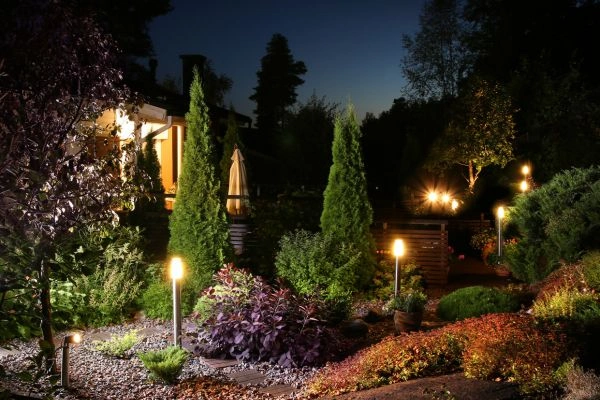
Solar pathway lights are affordable, easy to install, and add nighttime charm. Place them along walkways, garden borders, or around seating areas to create a welcoming glow.
Mulch And Fresh Gravel
Applying mulch and fresh gravel instantly tidies up beds and paths while reducing maintenance over time. Choose mulch that complements plant colors and gravel that contrasts with paving or lawn for visual impact.
Simple Seating And Borders
DIY seating using reclaimed wood or concrete blocks with planks offers extra comfort without a large expense. Adding a simple bench, stool, or repurposed pallet seat gives you a place to relax and enjoy the garden. Clean borders with inexpensive stones or boards define space and enhance structure without professional landscapers.
Tools And Products That Help Beginners Succeed
Basic Gardening Tools
Investing in a few quality tools makes gardening easier. An ergonomic trowel, pruning shears, a sturdy rake, and a watering wand help with daily tasks.
Smart Soil Sensors
Affordable soil sensors that monitor moisture and light can give beginner gardeners confidence in caring for plants and reduce guesswork. These sensors help you know when your plants really need water or shade.
Grow Houses And Covers
Compact grow houses or mini greenhouses extend the growing season and protect seedlings from frost, pests, or weather swings. These are especially useful in cooler climates or for starting seeds early.
Potting Bench Or Outdoor Workspace
A garden potting bench provides a dedicated space to pot, prune, and manage plants. This can be a rewarding DIY project using recycled wood, or a pre‑built bench can speed setup.
Seasonal And Ongoing Care Tips
Water Smart
Water early in the morning or late evening to reduce evaporation. Checking the soil before watering prevents overwatering, which can lead to root rot.
Weed Regularly
Weeding keeps beds neat and prevents plant competition for nutrients. Simple hand tools help pull weeds without disturbing plant roots.
Prune And Dead‑Head
Removing dead blooms and pruning promotes new growth and keeps plants looking healthy. Dead‑heading encourages more flowers on many annual plants.
Consider Companion Planting
Some plants grow better together. For example, marigolds help repel pests when planted near tomatoes, and basil can enhance the flavor of nearby peppers.
Making Your Garden A Personal Space
A garden should reflect personal style and enjoyment. Add garden art, painted pots, or a cozy seating area to make the space inviting. Even simple additions like wind chimes, a bird feeder, or a DIY water feature create points of interest. Landscaping lights, decorative stones, or a hammock can turn a garden from a chore into a sanctuary. Gardens are not just about plants. They are about experiences, growth, and creating a space that feels comforting and inspiring. With these easy DIY garden improvement ideas, even complete beginners can build something beautiful, productive, and truly their own.