A well-designed bedroom lighting setup can change everything about how a room feels and functions. With the latest innovations in smart lighting technology, it is now easier than ever to turn ordinary bedrooms into cozy sanctuaries or lively spaces that adapt to your mood and needs. Modern smart lights can boost your sleep routines, support daily rhythms, and bring stunning visual charm without complex wiring or bulky installations. Whether the goal is restful sleep, gentle wake‑ups, or vibrant accents, there are plenty of smart lighting ideas and products worth considering.
This complete guide explores approaches that work well for bedrooms, including current lighting trends, popular products from trusted brands, layout suggestions, installation tips, and ideas that make any bedroom feel more satisfying and personal.
Why Smart Lighting Matters In A Bedroom
Smart lighting does more than just replace a switch. It gives control over brightness, color temperature, and atmosphere with ease. This means lights can adjust to match your routines, like gentle morning brightness or warm golden tones that help you unwind at night. Several lighting systems now tune color and intensity to your circadian rhythm, which can support better sleep and daily energy levels. Technology in many models is also designed to adapt through voice commands, automation based on time, and syncing with music and entertainment.
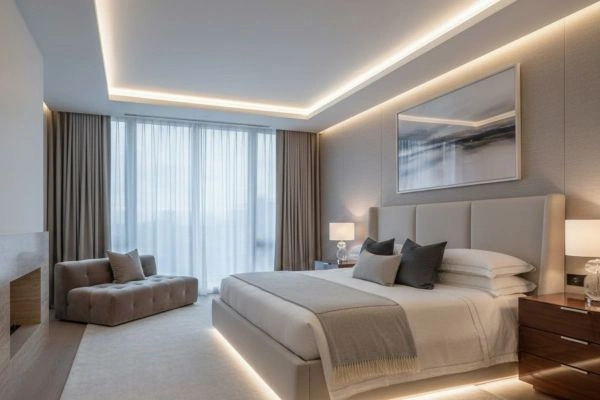
Beyond functionality, smart lighting creates style, depth, and character. Soft indirect lighting hides glare, vivid color accents make décor pop, and layered light sources add visual interest that feels comforting and tailored rather than harsh or generic.
Current Smart Lighting Trends That Work For Bedrooms
Adaptive Light That Changes Throughout The Day
One of the biggest trends is lighting that doesn’t stay static. Smart systems can shift color temperature and brightness automatically, simulating natural light cycles. Cooler, brighter light improves alertness in the morning, while warmer, softer tones help slow things down in the evening. These transitions are especially beneficial for bedrooms because they support both wake‑up routines and restful nights without abrupt changes.
Layered And Zone‑Based Lighting
Rather than relying on a single ceiling fixture, modern bedroom lighting uses multiple light layers. Ambient sources give overall brightness, task lights like bedside lamps support reading, and accent strips highlight art or architectural details. By controlling each zone separately, the total effect is more flexible and visually richer than a single overhead bulb.
Hidden And Indirect Lighting
Minimalist and architectural lighting is growing in popularity. LED strips recessed in coves, under beds, or behind headboards make the space feel larger and softer without visible fixtures. This indirect glow adds calm and luxury while keeping visual clutter low.
Voice Control And AI Features
Smart assistants like Alexa, Google Assistant, and Siri let users control lights with voice commands. Some systems now include AI features that learn preferences and adjust lighting based on routines or time of day. These features are especially helpful for bedrooms, making adjustments seamless and hands‑free.
Smart Lighting Ideas And Layouts For Bedrooms
1. Ambient Lighting For General Comfort
A smart ceiling light is the backbone of any bedroom lighting scheme. Choose a fixture that offers dimmable control and a range of color temperatures. Cool white light helps with morning tasks, while warm amber tones smooth the transition to evening relaxation. LED panels or flush-mount lights with diffusers help spread light softly and evenly across the room.
Setup Tip: Pair a smart ceiling light with a light schedule that brightens gently in the morning as a natural wake‑up cue and dims gradually at night to signal bedtime.
2. Accent And Mood Lighting
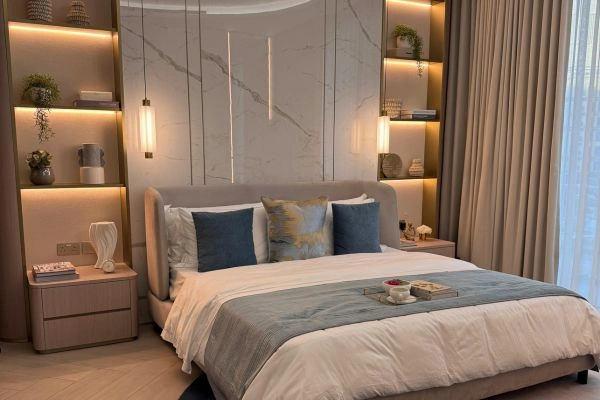
Accent lighting adds personality and depth to your bedroom. LED strips behind headboards or under floating shelves give a dreamy, hotel‑style glow. Gradient light strip options create smooth color transitions that feel artistic and atmospheric, ideal for evenings or creative décor.
Accent lights also work on walls or shelves. Place adjustable LED strips along architectural features or behind furniture to create visual balance and cozy corners.
3. Task Lighting For Reading And Work
Bedside smart lamps or wall‑mounted fixtures offer focused light for reading or nighttime tasks. Choose units that adjust color temperature so that bright light can be used for reading and warmer hues for winding down.
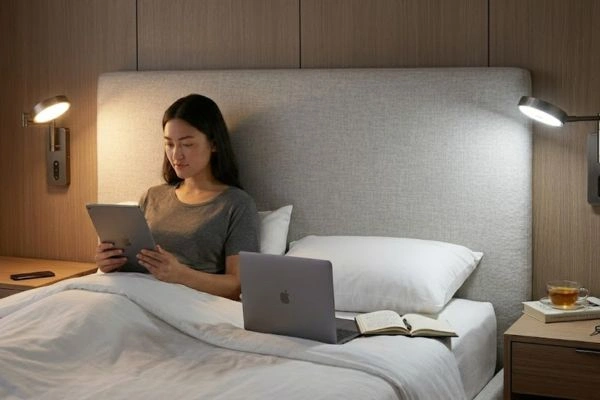
Placement Suggestion: Install matching lamps on either side of the bed for symmetry and ease of control, especially if each side can be controlled individually.
4. Motion‑Activated Lights For Night Comfort
Use motion sensors for low‑light pathways to bathrooms or closets. Rather than switching full‑bright overhead lights at night, motion‑activated lamps can produce a soft, warm glow whenever someone steps into the space. This helps with nighttime navigation without waking up fully.
5. Creative Effects For Ambiance
Color‑syncing and entertainment lighting bring another layer of fun. Smart lights can react to music, movies, or gaming for immersive experiences. These effects are not just for parties. Gentle color shifts or patterns can make the space feel relaxing and engaging throughout the day and night.
Recommended Smart Lighting Products For Bedrooms
This section highlights some of the most talked‑about smart lights that suit bedroom use, based on recent reviews and trend reports.
Philips Hue White And Color Ambiance Bulbs
Philips Hue remains a leading choice for smart lighting systems thanks to quality color rendering, smooth dimming, and wide compatibility with smart home platforms. The White and Color Ambiance bulbs offer millions of colors and warm to cool light that helps set specific moods or routines. Hue products are also fully compatible with most voice assistants and support complex automations.
Why It Works: Great for layered light designs and supports circadian lighting schedules.
Govee RGBIC Floor And Ceiling Lights
Govee’s RGBIC products provide rich lighting with advanced color control and fun effects. A floor lamp with music sync brings motion and mood to your bedroom, especially for winding down or leisure activities. Govee’s newest ceiling lights also aim to mimic natural light or create vibrant display effects, making them versatile for multiple lighting styles.
Buy If: You want bold color accent lighting or lights that react to music or media.
LIFX Luna Smart Lamp
LIFX has entered the smart lamp market with a product that fits easily on a table or nightstand and offers many customizable light modes. It supports Wi‑Fi control without a hub and has multiple color zones for nuanced lighting effects.
Why Choose It: Plug‑and‑play smart lighting that adds both style and functional light control.
Nanoleaf Creative Light Panels
Nanoleaf’s light panels can transform a wall or ceiling into an interactive art piece. These modular lights allow custom configurations, from geometric shapes to expansive installations, and respond to app controls or audio. While often seen in living rooms or game rooms, they also work as standout bedroom lighting if bold visuals are desired.
Best For: People who want lighting to double as art or statement décor.
Budget‑Friendly Bulb Options
There are affordable smart bulb alternatives that work well for bedrooms while keeping costs low. Budget color bulbs from Wyze or TP‑Link offer basic smart control and millions of colors without a premium cost. White ambiance bulbs from several brands allow adjustable warmth and brightness while still being easy to install.
Setting Up Smart Lighting For Best Results
Plan Out Lighting Zones
Start by mapping your room into zones. Think about where ambient, task, and accent lighting would work best. A bedroom might have a main ceiling light, bedside lamps, a headboard accent strip, and a corner floor lamp.
Use Schedules And Automations
Set up routines that align with daily habits. For example, softer, warmer light at night supports winding down, while a bright, cool light in the morning can help with alertness. Some systems even simulate sunrise or sunset transitions through gradual changes in brightness.
Connect With Voice Assistants
If you use voice assistants like Alexa, Google Home, or Siri, connect your lights for hands‑free control. Commands like “set bedroom to calm” or “lights to 30 percent” add convenience and make lights feel part of the room’s daily rhythm.
Be Mindful Of Sleep Impact
Bright blue‑rich light at night can disrupt sleep cycles. Favor warm tones (like amber or soft orange) toward bedtime, and reserve cooler, brighter tones for morning or daytime tasks. Many smart lights offer circadian settings that automate this transition for better rest.
Mistakes To Avoid With Bedroom Lighting
Relying Solely On Harsh Overhead Light
A single bright overhead lamp often feels flat or glaring in a bedroom. Layering ambient, task, and accent lighting creates a more comfortable space.
Ignoring Color Temperature
Not all light is equal. Bedrooms require a mix of temperatures throughout the day. Warm light feels cozy in the evening, while too much cool white at night can disrupt sleep routines.
Overcomplicating The Setup
Avoid overloading the room with too many independent lights if you aren’t ready to manage them. Start with a few key pieces and expand gradually as you learn what works best for your sleep and moods.
Transform Your Bedroom With Smart Lighting
Smart lighting can turn a bedroom into a space that feels tailored, soothing, and expressive. With products from leading brands like Philips Hue, Govee, LIFX, and Nanoleaf, there are options for gentle morning light, warm evening glow, and playful accent colors. Trends like layered lighting, indirect illumination, and adaptive color show that lighting is no longer just functional; it is also emotional and dynamic. Combining thoughtful design with thoughtful products helps create a bedroom that looks great and feels exactly right throughout the day.